
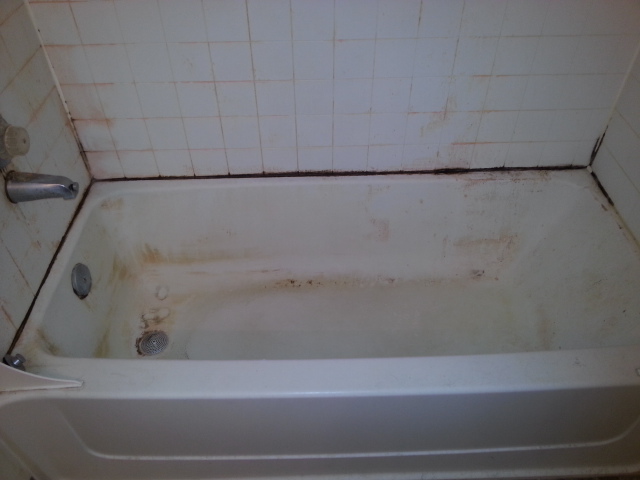
How to remove bathroom mold is a common problem that many people face. Not only is it unsightly, but it can also be a health hazard if left unchecked. Mold thrives in damp environments, and the bathroom provides the perfect conditions for it to grow. Fortunately, there are steps you can take to get rid of bathroom mold. In this article, we will discuss three tips to help you get rid of bathroom mold.
- Identify the source of moisture
The first step in getting rid of bathroom mold is to identify the source of moisture. Mold needs moisture to grow, so finding the source and eliminating it is crucial. Common sources of moisture in the bathroom include leaks from pipes, showers, and sinks, as well as condensation from hot showers. If you notice any leaks, get them fixed as soon as possible. If you see condensation on surfaces in the bathroom after a shower, open a window or turn on a fan to help reduce moisture.
- Clean the affected area
Once you have identified the source of moisture, the next step is to clean the affected area. Use a solution of water and vinegar to clean the mold. Vinegar is a natural anti-fungal agent and can be effective in killing mold. Alternatively, you can use a commercial mold cleaner, but make sure to read the label and follow the instructions carefully.
When cleaning mold, it’s important to wear protective gear, such as gloves and a mask, to avoid inhaling the spores. Use a scrub brush to remove the mold and then rinse the area with water. Dry the area thoroughly to prevent the mold from returning.
- Prevent future growth
Preventing future mold growth is the key to keeping your bathroom mold-free. The best way to do this is to control the moisture levels in the bathroom. Make sure to use the exhaust fan or open a window when taking a shower to help reduce moisture. You can also use a dehumidifier to help control moisture levels in the bathroom. Keep surfaces dry by wiping them down after use, especially in areas prone to moisture, such as the shower and sink.
Another way to prevent mold growth is to use mold-resistant materials in the bathroom. Mold-resistant drywall, paint, and caulk are available and can be effective in preventing mold growth. Finally, make sure to inspect your bathroom regularly for any signs of mold and address the problem promptly if you notice any.
In conclusion, the way to remove bathroom mold requires identifying the source of moisture, cleaning the affected area, and preventing future growth. By following these three tips, you can keep your bathroom mold-free and ensure a healthy environment for you and your family.